
Today’s seeds
tomorrow’s trees.
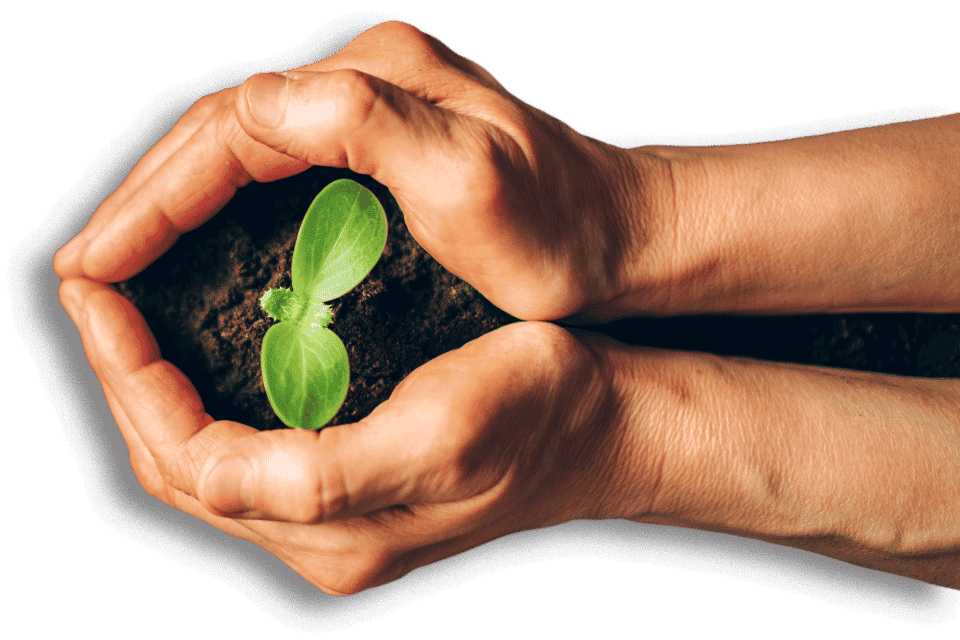
Tomorrow’s Trees is a people-powered seed collection initiative that creates future forests for healthy rivers and streams.
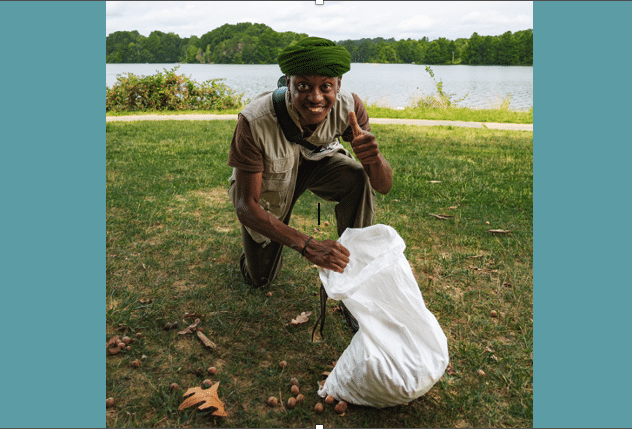
Volunteers from all over the Potomac River region gather tree seeds from their communities and gift them to state nursery farms, where they are nurtured and transplanted for use in reforestation projects.
Tomorrow’s Trees: Getting Nuts for Clean Water
Tomorrow’s Trees brings the excitement of an acorn driven scavenger hunt to an important restoration challenge: planting millions of trees for clean water!
Help us reforest the Potomac River region!

Trees are nature’s brita filters
Forests are nature’s best defenders of clean water in the Potomac River. They filter out toxins and improve water quality naturally.
Native trees are Critical
Trees native to our region are adapted to local soil, rainfall, and temperature conditions and are the most resilient towards many types of insects and diseases. They also support rich biodiversity.
We have a tree shortage
In the Chesapeake Bay region, 70 acres of forest are lost every day. Reforestation efforts are critical to countering tree loss and meeting local and regional planting goals.
All for seeds and seeds for all
From street trees in the heart of the city to a mighty oak in a farmer’s field, Tomorrow’s Trees needs help from all people in the lands and waters of the Potomac.
Leaders in action
Volunteer Leaders are community ambassadors for the Tomorrow’s Trees program. Tomorrow’s Trees provides all training and tools to equip them to host their own local seed collection events.
- Lead an event in your own community
- Meet other eco-advocates
- Measure your community’s impact

How to Identify and Collect Tree Seeds
Successful seed collection starts with knowing what to look for. In the Potomac River region, the most commonly gathered seeds come from native hardwoods such as white oak, red oak, black walnut, hickory, sycamore, persimmon, and tulip poplar. Acorns are the easiest place to begin, since they are large, plentiful in the fall, and simple to spot beneath the parent tree. Volunteers are encouraged to photograph the leaves, bark, and overall shape of the tree before collecting, so the species can be confirmed and recorded accurately.
Quality matters as much as quantity. Healthy seeds are heavy for their size, firm, and free of tiny round holes, which often mean an insect has already moved in. A simple float test helps: sound acorns sink in a bucket of water, while hollow or damaged ones float and should be discarded. Collectors should also choose seeds that have fallen naturally, leave plenty behind for wildlife such as squirrels, deer, and turkeys, and avoid gathering from invasive species or from trees that look diseased.
- Collect only from native trees you can identify with confidence.
- Pick up mature seeds that have dropped naturally, with the caps removed.
- Sort out cracked, moldy, or insect-damaged seeds before bagging.
- Label each bag with the species, date, and location of collection.
From Backyard Bucket to State Nursery
Once seeds are collected, careful handling keeps them alive until they reach the nursery. Many native seeds, especially acorns, dry out quickly and lose their ability to sprout. Volunteers store them in breathable bags in a cool place, such as a refrigerator or a shaded garage, and deliver them to a designated drop-off site within a few days. Sealing them in plastic without airflow can lead to mold, so ventilation is important.
At the nursery, staff inspect each batch, sort it by species and place of origin, and prepare it for sowing. Many tree seeds need a period of cold, moist conditions, called stratification, before they will germinate, imitating a natural winter. The seedlings are then grown for one or two seasons until they are sturdy enough to be transplanted, giving reforestation projects young trees suited to the soils and climate of the watershed.
Where the Trees End Up
The seedlings grown from community-collected seeds go to the places where forests do the most good for water quality. Riparian buffers, the strips of trees along streams and riverbanks, are a top priority. Their roots hold soil in place, slow stormwater runoff, and absorb excess nitrogen and phosphorus from farm fields and lawns before those nutrients reach the river and, eventually, the Chesapeake Bay.
Plantings also take place on farms, on public lands, in schoolyards, and in urban neighborhoods that have little shade. Shade lowers water temperatures, which helps cold-water species like brook trout, and canopy cover cools city streets during summer heat. Because the seeds come from local trees, the resulting forests carry the genetic diversity and regional adaptations that help them survive for generations.
Why Local Seed Sources Make a Difference
Using seeds gathered from within the region matters for the long-term health of new forests. Trees that descend from local parents are already tuned to the area's winters, droughts, and pests, so seedlings tend to establish faster and survive at higher rates than stock shipped from distant climates. Local sourcing also protects the genetic variety that allows a forest to adjust to a changing environment.
Community participation adds something nurseries cannot easily provide alone: reach. Thousands of people checking sidewalks, parks, church yards, and farm lanes can gather far more seed, from far more trees, than a small crew could. Each participant also becomes a neighbor who knows the value of a tree, and that growing awareness is an investment in clean water that lasts well beyond a single autumn.


Follow along!
Keep tabs on the health of the Potomac River and how trees and our community are transforming the future of clean water. #tomorrowstrees